Sustainability iis now a responsibility in construction. With climate change and environmental degradation becoming more apparent, the engineering and construction industries are under pressure to design and deliver eco-friendly projects. Geotechnical engineering, which focuses on the behavior of earth materials and their interaction with structures, plays an important role in achieving this goal.
Integrating sustainable practices into geotechnical work helps protect natural resources, reduce energy consumption, and minimize the environmental footprint of construction. This article explores how geotechnical professionals can adopt sustainable strategies that support eco-friendly project development.
The Role of Geotechnical Engineering in Construction
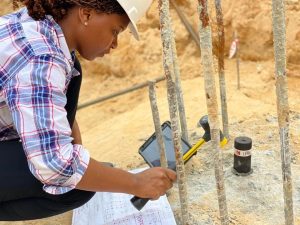
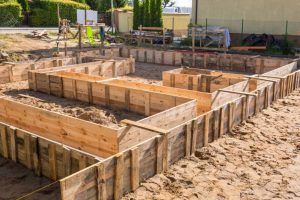
Geotechnical engineering lays the foundation for any construction project. It supports the structural integrity and safety of buildings, roads, dams, and other infrastructure, by using soil testing, foundation design, slope stability, ground improvement and others
However, traditional geotechnical practices often rely on material-intensive processes and energy-heavy equipment. And this can contribute to environmental harm if sustainability is not prioritized. Fortunately, more engineers are now using innovative and responsible methods that align with environmental goals.
Key Sustainable Practices in Geotechnical Engineering
There are several approaches geotechnical engineers can use to make projects more eco-friendly. Here are some of the most effective strategies:
1. Site Assessment and Reuse of Materials
One of the easiest ways to promote sustainability is through careful site assessment. Engineers can reduce the need for new resources by identifying how much of the existing soil and materials can be reused. Techniques such as soil stabilization and in-situ treatment allow for local materials to be improved rather than replaced.
Reusing excavated materials cuts down waste and lowers carbon emissions from transportation and disposal. This practice is supported by global environmental engineering trends and is gaining adoption across many infrastructure projects.
2. Minimizing Earth Disturbance
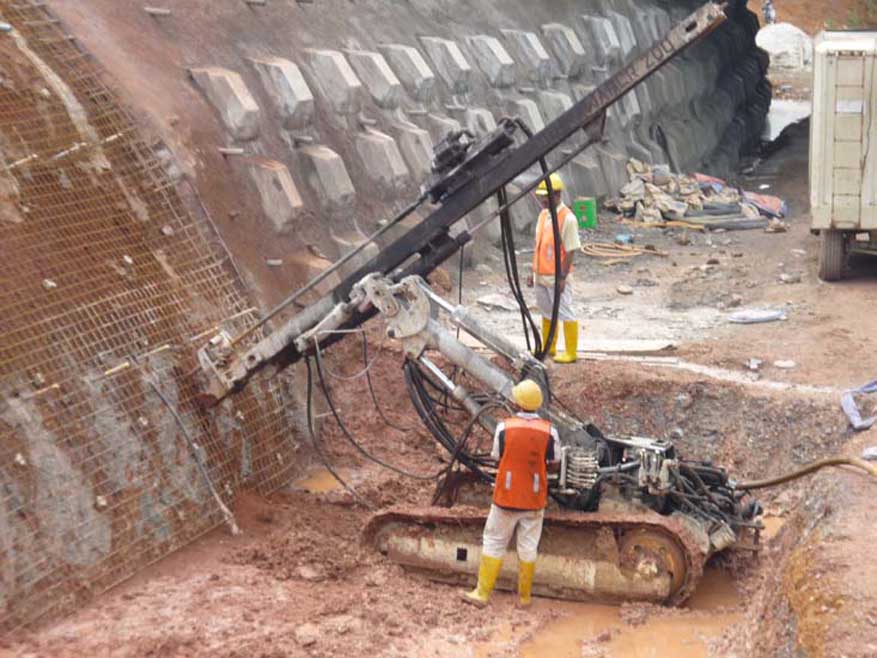
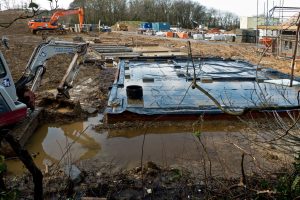
Heavy excavation and grading can destroy natural landscapes, disrupt ecosystems, and release stored carbon from the soil. To reduce this impact, engineers can adopt low-impact drilling and minimal-excavation foundation methods. The use of micropiles, helical piers, or soil nails, for instance, helps to stabilize ground conditions while preserving much of the surrounding environment.
Designing structures that follow the natural contours of the land also limits erosion and runoff, which are major concerns in environmentally sensitive areas.
3. Using Environmentally Friendly Additives
When improving soil properties, many geotechnical engineers rely on chemical stabilizers like lime or cement. However, newer research has shown that some natural or industrial by-product alternatives can serve the same purpose while being less harmful to the environment. These include fly ash, rice husk ash, and ground granulated blast furnace slag.
These materials can help improve soil strength and bearing capacity without introducing harmful pollutants into the soil or water system.
4. Ground Improvement with Low-Carbon Technologies
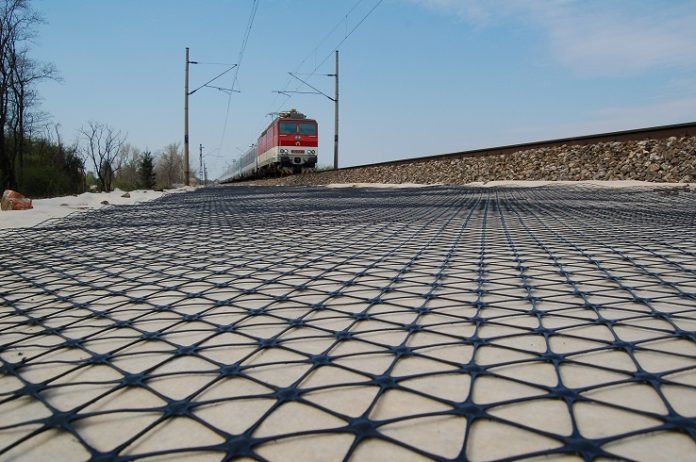
Ground improvement techniques such as deep soil mixing, vibro-compaction, or geosynthetics can be optimized to use fewer resources. Geosynthetic materials, in particular, are effective in reinforcing soil and controlling erosion with relatively low environmental impact.
When selected and applied properly, these technologies reduce the need for extensive excavation and fill, lowering both cost and carbon output.
5. Water Conservation and Drainage Management
Sustainable geotechnical engineering also involves managing water responsibly. Effective drainage design helps protect structures and landscapes while reducing the risk of erosion and flooding.
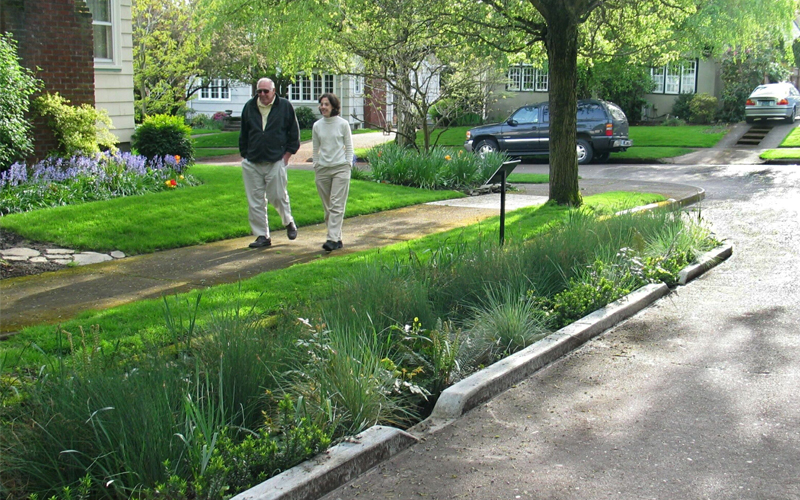
Permeable materials, bioswales, and proper grading all contribute to better stormwater control and groundwater recharge. This is essential for eco-friendly projects that aim to reduce their long-term effect on natural water systems.
6. Energy-Efficient Equipment and Processes
While some sustainability measures are technical, others involve improving how work is done. Using energy-efficient machinery, limiting fuel use on-site, and reducing the number of site visits can all lower emissions. Coordinating construction phases to minimize idle time and adopting digital modeling tools to reduce errors also support eco-conscious engineering.
Building Information Modeling (BIM), for example, helps geotechnical teams visualize subsurface conditions and plan accordingly, reducing waste and unnecessary drilling.
The Importance of Early Integration
Sustainable practices are most effective when introduced at the beginning of a project. This allows the engineering team to work closely with architects, environmental consultants, and construction managers to make smart decisions. Early planning helps identify the best materials, site practices, and design options for a project’s unique environmental challenges.
By bringing geotechnical insights into the planning phase, engineers can design foundations and soil improvement strategies that align with both performance and environmental goals.
As more clients demand eco-friendly projects, engineers must continue to find ways to reduce the environmental footprint of their work while maintaining safety, quality, and efficiency.
Through responsible soil management, material reuse, smart technology, and environmentally conscious design, geotechnical professionals can support development that protects the earth for future generations.
Need reliable geotechnical services that prioritize sustainability and precision? AOA Geo-Net offers expert solutions for your eco-friendly projects.