Design and documentation in construction are the bedrock of a project’s integrity, safety, and efficiency. They guide architects, engineers, contractors, and clients toward a common goal: delivering a functional, durable, and aesthetically pleasing structure on time and within budget.
Why Design Matters in Construction
At its core, design is about envisioning the final structure and determining how it will come together. Accurate design ensures:
- Functionality: A building designed with purpose ensures that the end-users can use it effectively. For instance, a school should prioritize accessibility and learning environments, while an office building should emphasize productivity.
- Aesthetic Appeal: Good design also elevates a structure’s visual impact, boosting its value and the satisfaction of its users.
- Structural Integrity: Robust designs account for load distribution, environmental stresses, and longevity, ensuring the structure can withstand various challenges.
The Role of Documentation in Construction
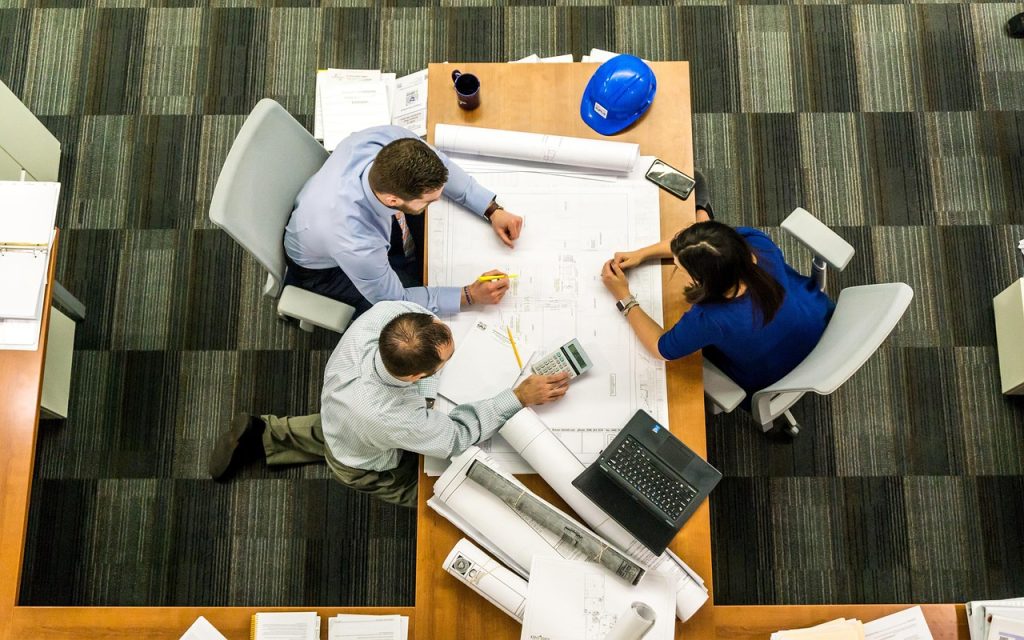
Documentation serves as the blueprint for executing the design accurately. It includes drawings, specifications, material lists, safety protocols, and schedules. Accurate documentation ensures:
- Clarity and Communication: With comprehensive documentation, all stakeholders, engineers, contractors, and clients, are on the same page, minimizing misinterpretation.
- Legal Compliance: Detailed documentation ensures compliance with local building codes, environmental regulations, and safety standards, avoiding costly legal issues.
- Cost Management: Proper documentation helps in accurately estimating costs, reducing the risk of overspending or unexpected expenses.
The Risks of Inaccurate Design and Documentation
Neglecting precision in design and documentation can lead to several costly and dangerous outcomes:
- Project Delays: Ambiguous designs or missing details can lead to errors during construction, requiring rework and delaying project timelines.
- Cost Overruns: Incorrect material estimates or overlooked structural requirements can inflate budgets.
- Safety Hazards: Poorly designed structures pose significant risks to workers during construction and to occupants post-completion.
- Legal Disputes: Non-compliance with regulations due to inadequate documentation can result in fines, lawsuits, or project shutdowns.
In construction, accurate design and documentation are non-negotiable. They are not just about creating visually appealing buildings but ensuring those structures are safe, functional, and cost-efficient. As projects grow in complexity, investing in precise design and documentation upfront saves time, money, and resources in the long run.
At AOA Geo-Net, we believe in empowering construction projects with reliable geotechnical insights and expert consultation. Whether you’re planning a residential development or a large-scale commercial project, our services ensure a solid foundation for your vision.
Contact us at AOA Geo-Net to learn more about how we can support your next project.